Mama is Rainbow Baby: A Designer's Embroidery Review
When a new embroidery design lands in my library, I don’t just look at the preview. I imagine it stitched out on fabric, on a specific product, for a specific person. So, let’s put Mama is Rainbow Baby through that real-world lens. As a designer who regularly creates for client projects and my own small shop, I’m always asking: will this file translate well from screen to thread?
The Immediate Mood & Visual Personality
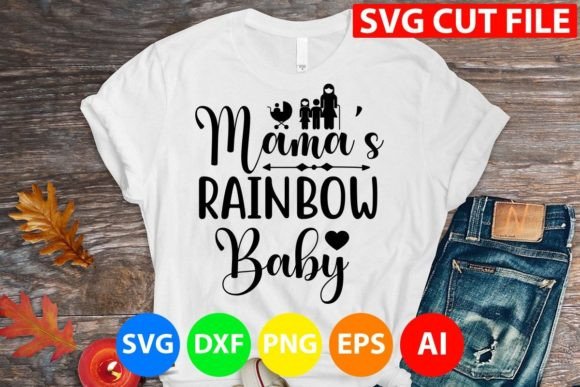
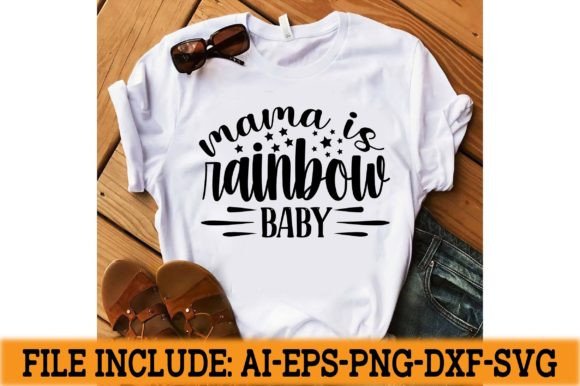
The first impression here is one of soft celebration. The phrase itself evokes a very specific, heartfelt sentiment. As a Graphics file intended for T-Shirt Designs, its visual personality leans into clean, typographic charm rather than intricate pictorial detail. This isn’t a complex scene; it’s a statement. That means its power in an embroidery project comes from the clarity of the words and the emotional weight they carry. The layout feels straightforward and honest, which is perfect for a design meant to be worn or displayed with pride.
Where This Design Finds Its Best Home
I’m picturing this stitched onto a cozy, cream-colored sweatshirt for a mother, or as a delicate addition to a nursery pillow cover. Its nature makes it a prime candidate for personalized gifts. Think custom apparel like relaxed t-shirts, soft baby embroidery on a little onesie or blanket, or even a well-placed embroidered patch on a canvas tote bag. For small shop product lines, especially those catering to mothers, families, or celebratory moments, this could be a quietly powerful offering.
It would shine on holiday embroidery gifts—Mother’s Day, of course, but also as a cherished wedding gift for a new mom. For boutique branding, if your shop has a nurturing, heartfelt vibe, incorporating this onto staff aprons or tea towels could reinforce that atmosphere. In my experience, designs with this kind of direct emotional language often become best-sellers in Etsy listings for craft businesses focused on sentiment.
Practical Considerations for Stitching Success
Because the design’s appeal hinges on clear, readable text, execution is key. On dark fabric backgrounds, you’ll need to think carefully about thread color contrast—a bright, cohesive palette for the “rainbow” concept would be essential. For small hoop sizes, the lettering scale is crucial; you must ensure the text doesn’t become so tiny that stitch density makes it muddy.
I would strongly advise testing on scrap fabric first, especially if you plan to use it on textured fabrics like sweater knits or on stretchy fabric like t-shirts. A good stabilizer is your best friend here to keep those letters sharp. Also, consider the product’s end use: items needing frequent washing, like baby clothes or kitchen towels, benefit from a robust fill stitch construction to maintain integrity over time.
Scenarios Where You Might Proceed with Caution
This isn’t a design I’d automatically choose for a curved surface like caps, unless the text is simplified or adapted, as longer phrases can distort on complex curves. Similarly, on thin fabric without proper support, the stitch buildup could cause puckering. The “detail level” here is in the lettering itself—there aren’t tiny decorative accents to worry about, but the corners and junctions of the letters need to be inspected in your test stitch-out to ensure stitching clarity.
How It Elevates Your Finished Product
From a professional perspective, a well-embroidered Mama is Rainbow Baby design adds tangible product value. It transforms a plain garment into a story. This builds customer trust and buyer engagement because it feels specific and meaningful. The handmade presentation becomes more personal and professional, elevating it above generic store-bought items.
For creative entrepreneurs, using such a design consistently across a product line—say, on tote bags, aprons, and pillow covers—can enhance brand consistency. Its giftability is high, and its recognition among certain communities is instant, which can drive word-of-mouth for your small business merchandise.
A Real-Life Project Walkthrough
Let’s say I’m preparing a custom embroidered tote bag as a gift for a friend who’s just become a mother. I’ve selected a sturdy, natural canvas. My first step is always to run the embroidery file through my software and check the generated paths—since the description mentions Cut files for Cricut and Silhouette, I’d be looking at how the SVG translates to my machine’s stitches. I’d choose a vibrant but harmonious set of thread colors to bring the “rainbow” idea to life subtly, perhaps through graduated shades in the lettering.
I’d hoop my stabilizer and canvas securely, mindful that canvas is a forgiving fabric but still requires attention. During stitching, I’d watch the satin stitch or running stitch outlines (depending on the file’s construction) to ensure clean edges on every letter. After trimming, I’d examine the finished piece. The success would be judged by the crispness of the text and the overall feeling it conveys—a feeling of joyful acknowledgment.
Essential Designer Notes Before You Hoop
My final, always-relevant advice for any digital embroidery file like this:
- Test, test, test. Stitch it out on a scrap of your intended project fabric.
- Check thread color contrast by viewing the design in both black and white printable mockups to gauge its readability on light and dark backgrounds.
- Review the actual stitch output for any overly dense stitch areas that might cause fabric distortion.
- Confirm your intended hoop size can accommodate the design at the size you want without compromising detail.
- If you’re creating commercial embroidery projects or selling the finished product, always confirm licensing before proceeding. The product description notes it’s a digital download with cutting files, but the terms for commercial use of the embroidered end product need to be clear.
- Use this design as a versatile design asset. It could be the centerpiece of a baby item, or a smaller accent on a kitchen towel. Let the project guide its scale and placement.
In essence, Mama is Rainbow Baby is a design whose true value is unlocked by thoughtful application. It’s not just a graphic; it’s a message waiting for the right fabric, the right thread, and the right hands to stitch it into something real and resonant. For makers and sellers aiming to create work that connects, it’s a design worth exploring in your next embroidery project.